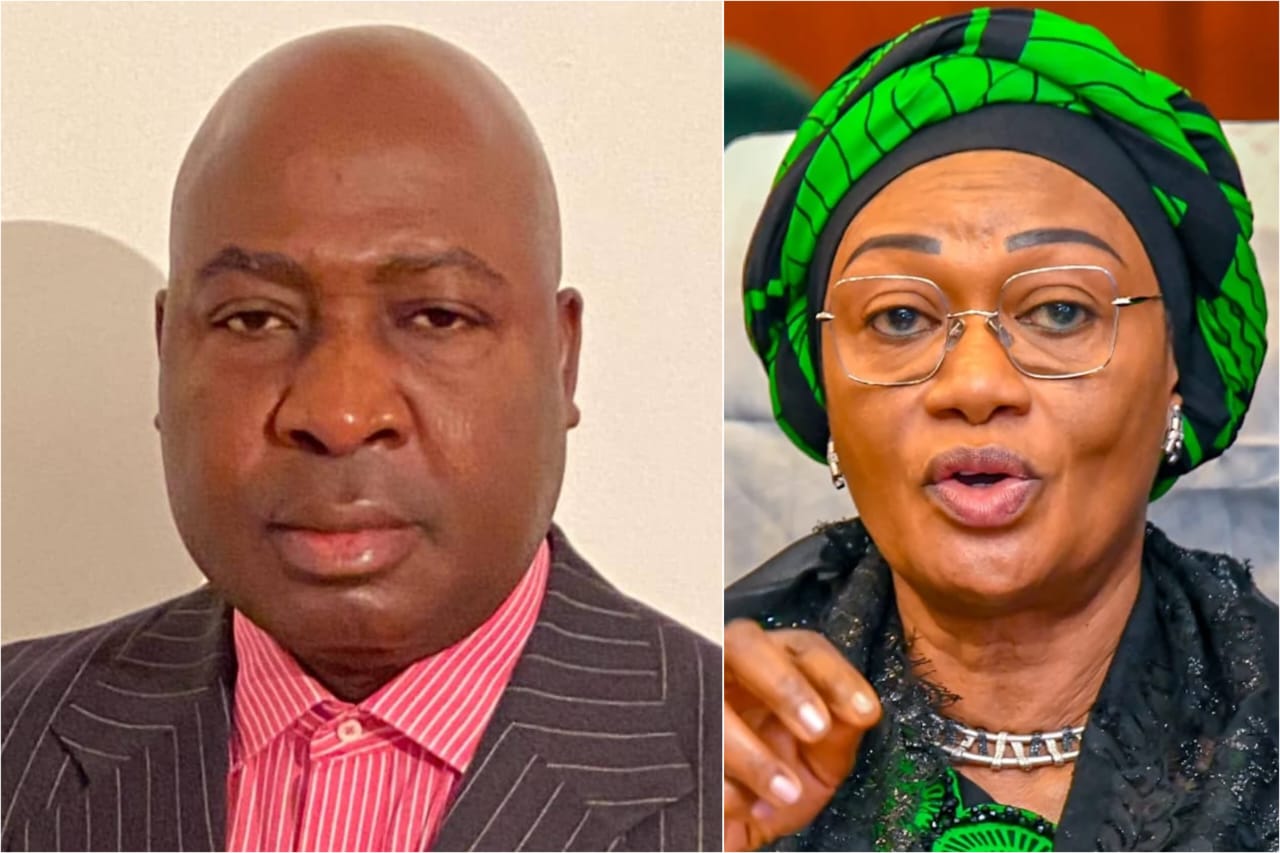
Assurances in Nigeria’s electoral process have never been in short supply; what has consistently been scarce is accountability. So when the Resident Electoral Commissioner of the Independent National Electoral Commission in Osun State, Mrs. Oluwatoyin Babalola, promised a peaceful, credible, and transparent governorship election on August 15, it did not come in a vacuum.
It came in response to tension, distrust, and a wave of public protest that underscores just how fragile confidence in the system has become.
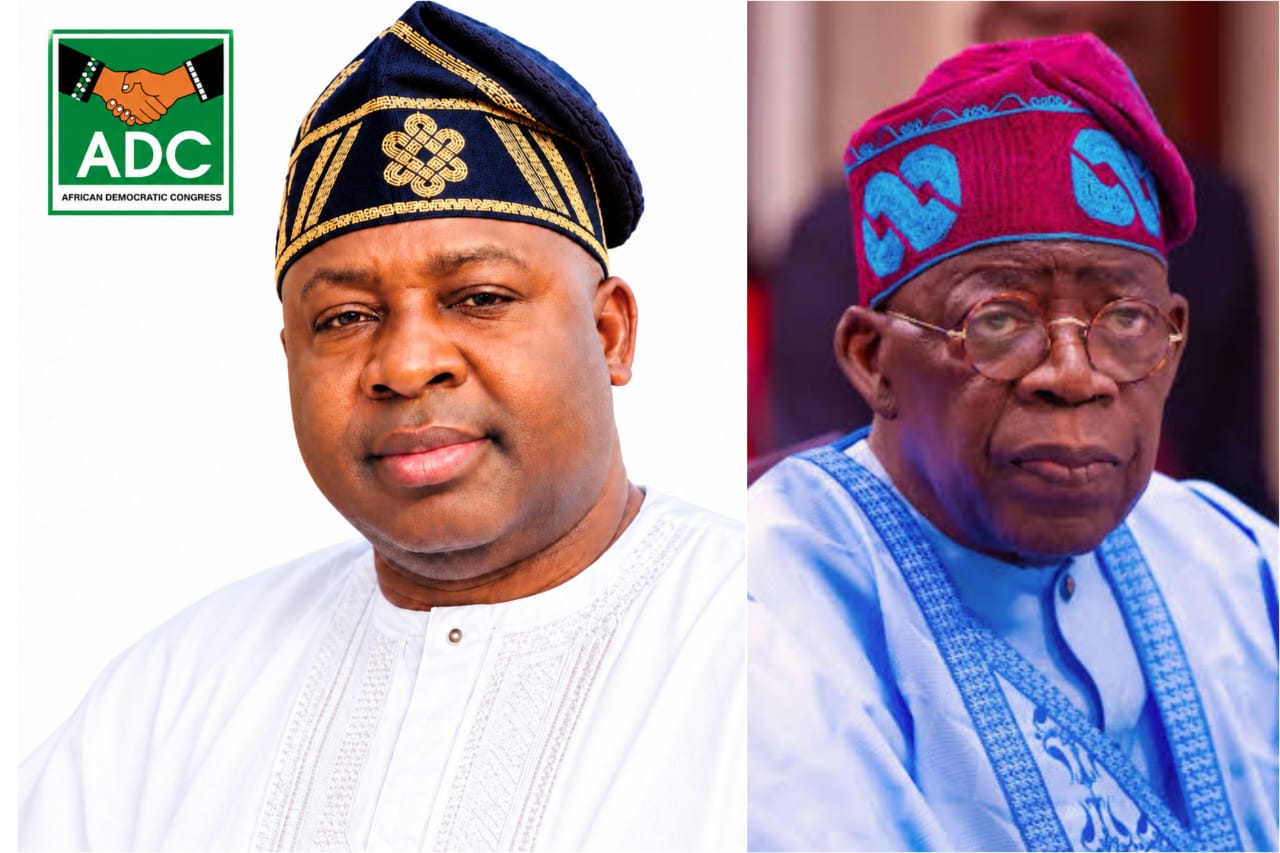
The protest that prompted her remarks was not a random outburst. Residents of Osun took to the streets in Osogbo to challenge what they described as the “illegal” removal of a commissioner within INEC. Their demand was direct and symbolic: they called on Bola Ahmed Tinubu to intervene, reflecting a deep-seated fear that political interference may already be casting a shadow over the forthcoming governorship poll.
It was in the face of this unrest that Mrs. Babalola addressed the protesters, attempting to calm nerves with assurances of transparency and fairness. But the context of that assurance is precisely why it cannot be accepted uncritically. When citizens are already questioning the neutrality of the electoral body before a single ballot is cast, promises alone are not enough to restore trust.
The controversy surrounding the alleged removal of a commissioner has raised serious concerns about the independence of INEC. Whether justified or not, the perception of political influence is damaging in itself. Elections are not only about being fair; they must also be seen to be fair. Any action that suggests otherwise undermines the very foundation of democracy.
This is why Mrs. Babalola’s assurances must now be matched with visible, verifiable actions. The commission must go beyond statements and demonstrate, in practical terms, that it is not compromised. From voter accreditation to result collation, every step must reflect transparency, neutrality, and professionalism.
Osun’s August 15 election is no longer just another electoral exercise, it has become a credibility test for INEC. The protests have made one thing clear: the people are watching closely, and they are prepared to question every decision that appears inconsistent with democratic principles.
In the end, democracy is not sustained by promises but by performance. INEC has spoken. Osun is listening. And come August 15, the people will not just vote, they will judge.
E-signed: Comrade James Onifade
Advocate for Good Governance and A Better Judicial System