In the face of escalating violence and unchecked banditry in Nigeria, the recent massacre in Kwara State serves as a grim reminder of the nation’s deepening security crisis. On February 3, 2026, gunmen stormed communities in Kaiama Local Government Area, including Woro and Nuku, killing at least 75 people according to initial reports from local officials, though the death toll has since risen to nearly 170 as confirmed by lawmakers and eyewitness accounts.
The attackers, often described as bandits with ties to Islamist extremists, burned homes, looted shops, and abducted residents, leaving behind a trail of devastation in one of the deadliest assaults this year.
This incident, occurring in a region increasingly plagued by such raids, underscores the impunity with which these groups operate, raising serious questions about potential political complicity that allows them to evade justice time and again.
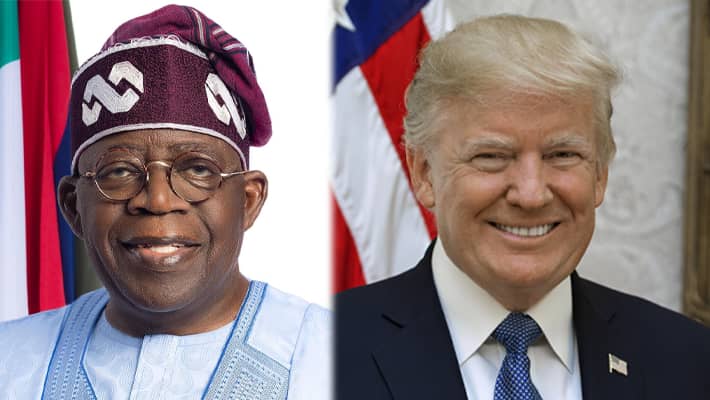
President Bola Tinubu’s administration has repeatedly demonstrated a troubling reluctance to decisively confront this menace. Despite deploying troops to Kwara in response to the attack, such measures feel like reactive bandaids on a festering wound rather than a comprehensive strategy to eradicate the root causes. For years, banditry and insurgency in Nigeria’s northwest and central regions have flourished under successive governments, with armed groups expanding their operations amid chronic underinvestment in security, corruption, and mismanagement. Tinubu’s approach mirrors this pattern: promises of action without the sustained political will to dismantle the networks sustaining these criminals.
Communities are left to negotiate “peace pacts” by paying ransoms or providing food to bandits just to avoid attacks, a clear sign of state failure. Moreover, the selective targeting of certain communities and the ease with which these groups evade capture suggest deeper entanglements possibly involving local politicians or officials who benefit from the chaos or turn a blind eye for electoral gains. This complicity cannot be ignored, it enables the slaughter of innocent souls while perpetrators go scot-free, perpetuating a cycle of kidnapping, insurgency, and rampant killings that claim thousands of lives annually.
President Donald Trump, whose decisive actions stand in stark contrast to Tinubu’s inertia. Recognizing the existential threat posed by groups like Boko Haram, Islamic State West Africa Province (ISWAP), and emerging affiliates such as Lakurawa, Trump has not shied away from direct intervention. In October 2025, he redesignated Nigeria as a Country of Particular Concern under the International Religious Freedom Act, highlighting the targeted persecution of Christians amid broader indiscriminate violence.
This was followed by coordinated U.S. airstrikes on Christmas Day 2025, targeting ISIS-linked camps in Sokoto State with Tomahawk missiles, a move Trump described as a “Christmas present” to those fighting terrorism. While critics argue this framing risks oversimplifying the conflict, the strikes sent a clear message: the U.S. will not tolerate the unchecked spread of jihadist influence that threatens regional stability.
Building on this momentum, Trump authorized the deployment of a small team of U.S. troops to Nigeria in early 2026, focused on intelligence sharing, equipment support, and enhancing Nigerian forces’ capabilities against insurgents.
This collaboration, initiated after high-level meetings between US officials and Tinubu, marks a significant escalation in joint efforts to combat groups responsible for atrocities like the Kwara massacre. Unlike Nigeria’s overstretched military, which operates in two-thirds of the country’s states without fully curbing the violence, American expertise in surveillance and targeted operations could prove transformative. Already, the mere presence of US forces has pressured Abuja to prioritize counterterrorism, with increased intelligence flows and potential for more strikes if needed.
This US involvement is not an infringement on sovereignty but a welcome necessity, given Tinubu’s evident unwillingness to act unilaterally with the required intensity. Bandits and insurgents have operated with impunity for too long, emboldened by political inaction and possible collusion.
Trump’s strategy combining airstrikes with on ground support offers a real chance to curtail the daily deaths from kidnappings and raids, saving innocent lives that Nigerian leadership has failed to protect.
To truly eradicate this scourge, efforts must be hastened and intensified. The U.S. and Nigeria should expand operations, targeting not just militants but the corrupt networks that sustain them.
Trump’s proactive stance has already shifted the dynamics; now, it’s time for Tinubu to match that resolve or step aside. The innocent victims of Kwaraand countless others deserve no less.
E-signed: Hon. Comrade James Onifade
Advocate for Good Governance and A Better Judicial System