…When Optics Collide With Reality: How the Boripe Defection Reshaped Osun’s Political Narrative
Politics is often about timing, symbolism, and perception. What was meant to be a carefully choreographed moment of strength for the Osun APC unexpectedly turned into a revealing test of political reality.
At the Presidential Villa in Abuja, Nigeria’s Minister of Marine and Blue Economy, Adegboyega Oyetola, formally introduced his preferred governorship aspirant, Bola Oyebamiji, to President Bola Ahmed Tinubu. The objective was clear. It was a public display of confidence and unity ahead of the forthcoming governorship election in Osun State. The message was meant to be simple and powerful: the structure is intact, the candidate is ready, and victory is within reach.
However, while this political showcase was unfolding in Abuja, events at home told a different story.
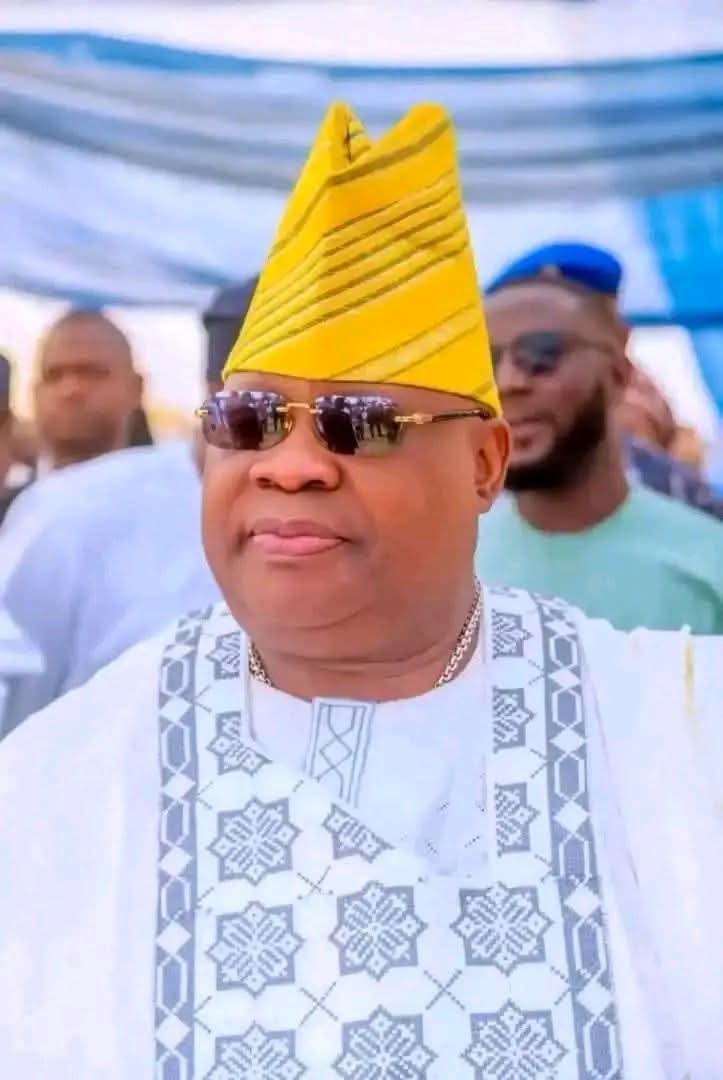
From Boripe Local Government came news that several prominent APC caucus leaders had defected and publicly declared support for Governor Ademola Adeleke and his re-election bid. The announcement took place at the Government House Banquet Hall in Osogbo and quickly became the dominant political headline of the day.
The symbolism could not have been stronger. Among those who reportedly defected was Hon Kareem Afolabi, a respected political figure from Iragbiji, the hometown of Minister Oyetola. As former chair of the Iragbiji APC elders caucus, his departure carries weight beyond ordinary political movement. In politics, local strongholds are not just territories. They are statements of influence. When cracks appear in the home front, observers take notice.
For months, Boripe had been considered a difficult terrain for opposition forces aligned with Governor Adeleke. The development now challenges that assumption. It suggests that the political atmosphere in Osun is more fluid than many analysts previously believed.
Equally significant were the reasons publicly given by the defectors. They attributed their decision to what they described as visible governance outcomes under Adeleke and a desire to align with what they see as progress in the state. Whether one agrees with that position or not, it reflects a perception battle that is unfolding at the grassroots level.
This episode does not determine electoral outcomes. Elections are complex and influenced by many variables. However, it does complicate the narrative of absolute dominance that the APC may have hoped to project during the presidential introduction of its candidate.
Political momentum is not sustained by endorsements alone. It is built through ward structures, community leaders, and sustained local engagement. When influential figures within a perceived stronghold choose to shift allegiance, it inevitably raises questions about cohesion and internal confidence.
Osun remains a politically vibrant and competitive state. Alliances are dynamic. Structures evolve. Sentiment on the ground often outweighs elite endorsements in shaping final outcomes.
What was intended as a moment of consolidated strength in Abuja was unexpectedly matched by a grassroots development that altered the conversation back home. In politics, perception can change in a single news cycle. And sometimes, reality interrupts carefully planned optics.
As the governorship race approaches, one thing is clear. In Osun, political narratives are not shaped only in the corridors of power. They are tested and proven in the communities.
The emergence of Gov Ademola Adeleke for the second term is sacrosanct as it is ordained by God Almighty with no humanly contest from anyone
E-signed: Hon Comrade James Onifade
Advocate for Good Governance and A Better Judicial System