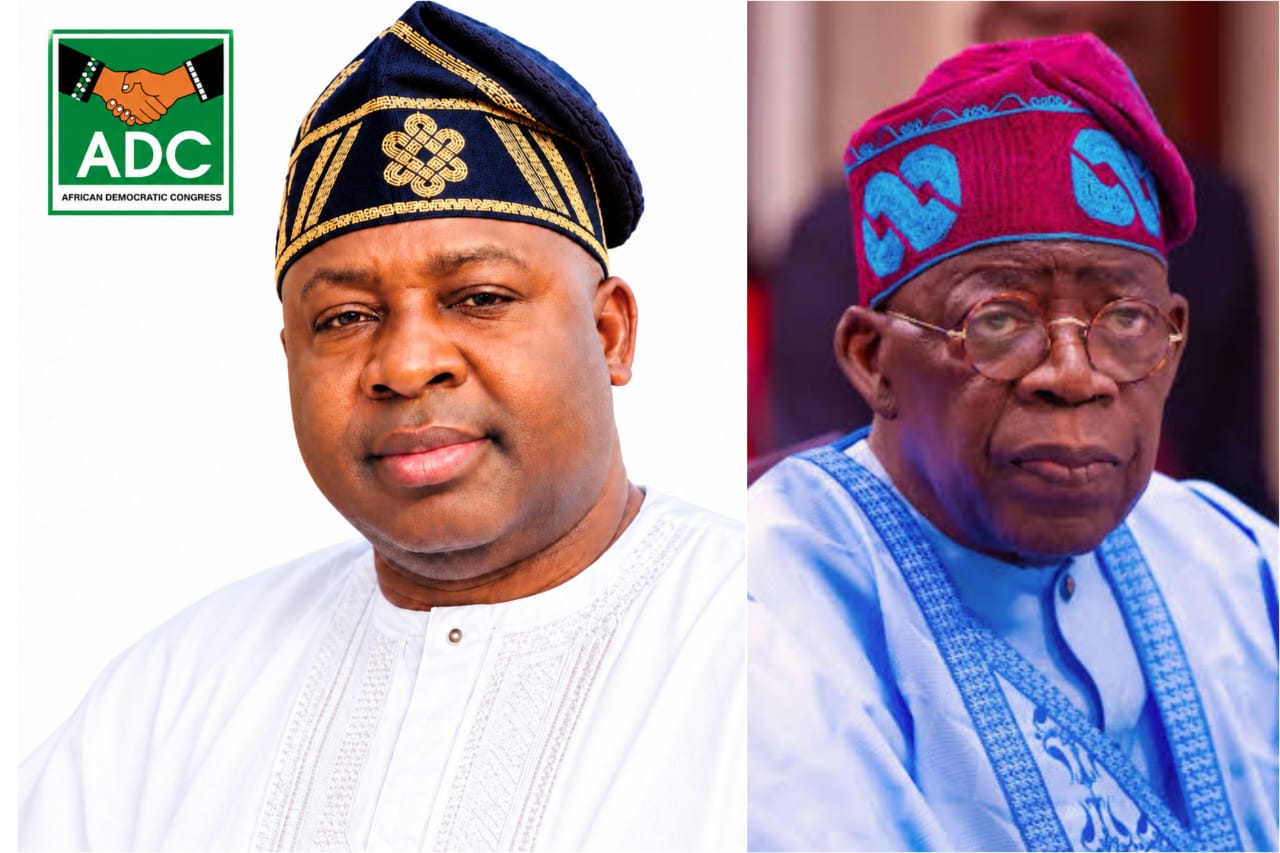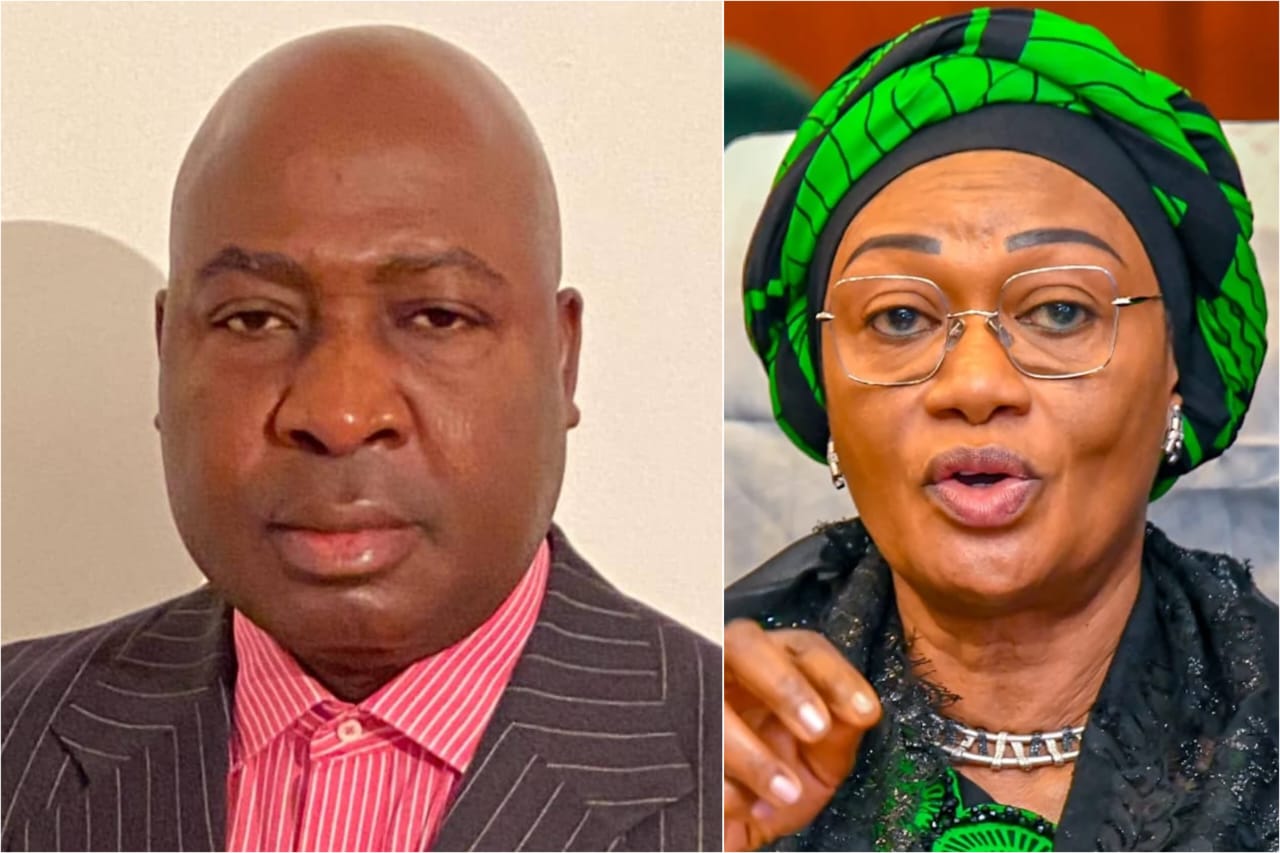
…Hon Onifade mocks Wike after FCTA workers chase him away from his office
The dramatic scene that unfolded at the FCTA Secretariat in Abuja on January 26, 2026, painted a stark portrait of a minister in freefall.
What began as an indefinite strike by FCTA workers mobilized by the Nigeria Labour Congress (NLC) and organized under the Joint Union Action Committee (JUAC) evolved into something far more symbolically significant: a public chase that would define the decline of Nyesom Wike’s tenure as Minister of the Federal Capital Territory.
The workers’ grievances were substantial and long-standing. Unpaid allowances, non-implementation of wage awards, deteriorating working conditions, and the persistent failure to address concerns like hazard pay and career advancement had pushed them to action. The strike paralyzed administrative operations, with gates blocked and offices shuttered. But it was what happened next that captured national attention and ignited broader conversations about Wike’s governance.
Wike reportedly attempted to slip into the secretariat unnoticed, but his departure did not go unobserved. When workers realized his presence, they pursued his motorcade in a dramatic chase through the back gate, their chants of “Ole! Ole!!” (thief! thief!!) echoing across the grounds. Video footage of the scene showed the minister’s convoy speeding away without sirens, a sitting minister fleeing from those he was meant to serve. This was not merely a protest it was a public humiliation that symbolized the depth of resentment his leadership had cultivated.
The incident reverberated across Abuja’s political landscape. Chants of “Wike Must Go” were not confined to the secretariat but extended to the National Industrial Court, where workers picketed over legal actions Wike had initiated to challenge the strike’s legality. Rather than pursuing dialogue with the unions, the minister had chosen confrontation through the courts. This pattern extended beyond current events. Earlier in his tenure, prolonged strikes by primary school teachers under area councils remained unresolved, resulting in lost academic time for students and deepening frustration with his administrative approach.
What makes Wike’s situation particularly consequential is the broader context of his tenure. Critics have consistently pointed to his apparent detachment from his primary responsibilities as FCT minister, attributing it to his continued preoccupation with Rivers State politics. His long-standing feud with Governor Siminalayi Fubara, coupled with what many view as destabilizing political interventions, has diverted his attention from the capital’s mounting challenges. Civil society groups, APC factions, and youth organizations have collectively called for his removal, with demands that President Tinubu act decisively.
His track record has been marked by controversy. Land disputes involving military personnel, accusations of overreach, and allegations of anti-party activities have accumulated throughout his time in office. Each incident has chipped away at his credibility and eroded the support base that once seemed unshakeable. The chase through the back gate represents not an isolated incident but rather a culmination a visual manifestation of institutional failure and public loss of confidence.
For many Nigerians, particularly those who have long clashed with Wike’s assertive and often aggressive political style, the unfolding narrative carries a sense of poetic justice. His political position, once fortified by bold strategic moves, carefully cultivated loyalty, and iron-fisted control, now appears distinctly fragile. The man who has wielded considerable power in Nigerian politics faces a different kind of reckoning not primarily through formal mechanisms of accountability, but through the daily erosion of his standing and the mounting pressures from multiple quarters.
Reaping What Has Been Sown
In the political landscape of Nigeria, few narratives are as consequential as watching a powerful figure confront the accumulated consequences of his own choices. Wike, particularly in his recent political maneuvers, has exemplified this principle. His interventions in Rivers State politics, his approach to governance in the FCT, his adversarial stance toward those who challenge him all have contributed to a situation where he now finds himself isolated, delegitimized, and pursued not by political rivals in smoky boardrooms, but by ordinary workers demanding accountability.
The irony is unmistakable. A man who built his reputation on aggressive maneuvering, on the ability to outplay opponents and consolidate power, now confronts a far more difficult adversary: institutional discontent and public rejection.
As strikes continue, protests mount, and political rivals circle, Wike’s downfall appears neither sudden nor reversible. Instead, it unfolds as a gradual, self-inflicted unraveling driven by accumulated grievances, strategic missteps, and the fundamental failure to govern with compassion or competence in the office he holds.
Whether his tenure ends in resignation, removal, or further humiliation remains uncertain. What is clear is that January 26, 2026, will endure in the political memory of Nigeria as the day a minister fled through the back door a moment that transformed political decline into a visible, almost theatrical reckoning.
The chase that day was not merely symbolic; it was prophetic, foreshadowing the collapse of a political edifice built on sand.
E-signed: Hon Comrade James Onifade
Advocate for Good Governance and A Better Judicial System