…June 12 Reflection: From Abiola’s Mandate to Oriire’s Abducted Pupils
By Comrade James Onifade
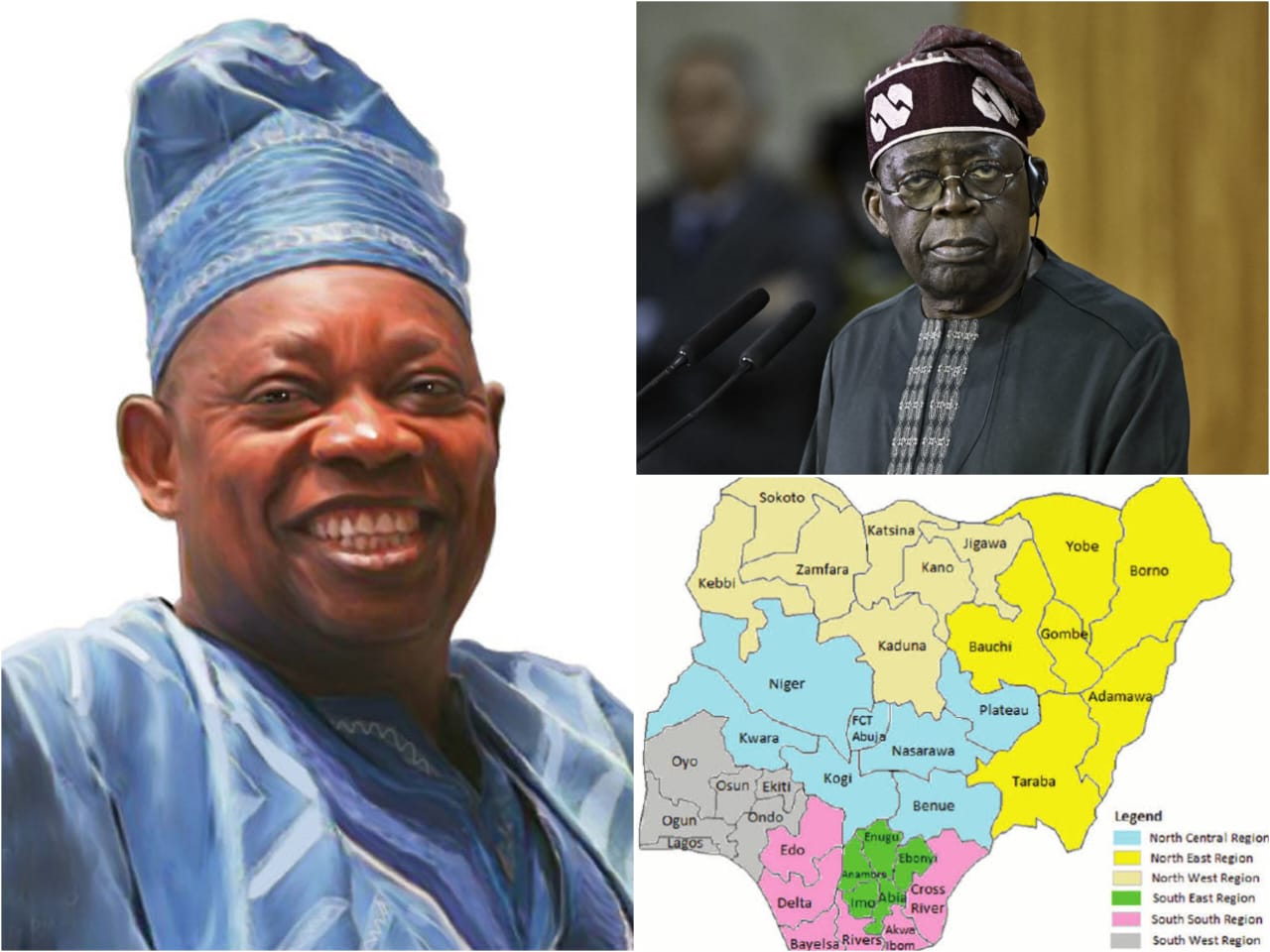
Today, Nigerians mark June 12 Democracy Day. The mood is reflection mixed with resolve. This date is not a routine holiday. It is a national scar: the 1993 presidential election, Nigeria’s freest and fairest, won by Chief M.K.O. Abiola, then annulled by military decree. That injustice fueled the struggle that restored civilian rule in 1999. President Muhammadu Buhari’s 2018 decision to recognize June 12 as Democracy Day affirmed the people’s will and the blood paid for it.
As we gather in 2026, 65 years after independence and 27 years into the Fourth Republic, one question demands an answer: Where are we? Why does the promise of a secure, prosperous, united Nigeria still elude millions?
1. Progress Measured, Potential Stalled
Nigeria remains Africa’s most populous nation and largest economy. Since 1960, we expanded universities from a handful to hundreds, built highways and airports, and drove a telecoms revolution that connected even the poorest. We preserved national unity through civil war and military transitions. Democracy has survived since 1999 – a record not all nations can claim.
Yet growth has outpaced development. Oil wealth enriched a few while poverty deepened. Inflation erodes incomes. Youth unemployment fuels anger. Power, roads, and healthcare deficits persist. Corruption still drains public trust. Many citizens cannot name a transformative national achievement beyond survival and cultural exports.
2. The National Emergency: Children Under Attack
Nothing exposes our failure like the abduction of children.
In May 2026, gunmen struck Oriire Local Government Area, Oyo State – a region once considered safe. At Baptist Nursery and Primary School Yawota, Community Grammar School, and L.A. Primary School Ahoro Esinele, 39 pupils, some as young as two, and seven teachers were kidnapped. One teacher was killed.
Similar attacks hit Borno State, with dozens more children taken by Boko Haram affiliates. Since Chibok 2014, over 2,000 students have been abducted across Nigeria. Banditry, insurgency, and communal clashes have turned schools into targets.
On Democracy Day, we must face this truth: a nation that cannot protect its children cannot claim progress. Their names must stay on every leader’s lips until they return home.
3. A Voice for the Voiceless: Davido’s Statement
Hope appears in conscience. At the FIFA World Cup 2026 Countdown Concert in Los Angeles, Nigerian artist Davido performed in a custom jacket bearing the names of Oriire’s abducted pupils and teachers, with “Bring Them Home” boldly printed on the back. He paired it with a “NIGERIA” shirt.
It was not fashion. It was solidarity projected to the world. In an industry drawn to glamour, Davido chose empathy. He used Afrobeats to amplify national pain. For millions, it restored pride and forced global attention on a crisis domestic appeals often fail to move. Nigeria salutes that stand.
4. The June 12 Mandate: From Reflection to Action
June 12 teaches that democracy is not inherited, it is defended. Abiola, Kudirat, and the unnamed activists of 1993 did not resist dictatorship so bandits could hold our children hostage or corruption could cripple our future.
This moment calls every patriot to act, not just speak:
1. Demand accountability from leaders at all levels for security failures.
2. Support and reform security forces through better funding, intelligence, and community partnership.
3. Invest in education and jobs to remove the roots of unrest.
4. Reject divisive politics of ethnicity and religion. Build national cohesion.
5. Amplify citizen voices like Davido’s – creatives, civil society, and businesses holding power to account.
We cannot return to military rule or annulled hopes. We also cannot accept a democracy that leaves the vulnerable unprotected. Bandits, terrorists, and corrupt networks must face the united resolve of the Nigerian people.
Signed:
Comrade James Onifade
Advocate for Good Governance and Judicial Reform