…Elders, Baales, and Imams say the capital’s exclusion is a structural imbalance. They call for equity, unity, and merit ahead of 2026
Osogbo stands as the administrative, commercial, and cultural heart of Osun State. Founded in the late 16th or early 17th century by settlers linked to the goddess Ọ̀ṣun and the sacred grove that is now a UNESCO World Heritage Site, the city grew as a frontier market town, a dyeing centre known as “Ìlú Àrọ̀,” a railway hub, and eventually as the capital when Osun was carved out of Oyo State in 1991.
The city hosts the annual Osun-Osogbo Festival, major markets, key infrastructure nodes, and a decisive voting bloc whose local government areas routinely deliver tens of thousands of votes. Yet, in more than three decades of the state’s existence, no indigene of Osogbo has occupied the Bola Ige House as elected governor.
Community leaders say this is not an accident of history alone. It is the product of successive political bargains that favoured other towns and zones, while Osogbo consistently delivered support.
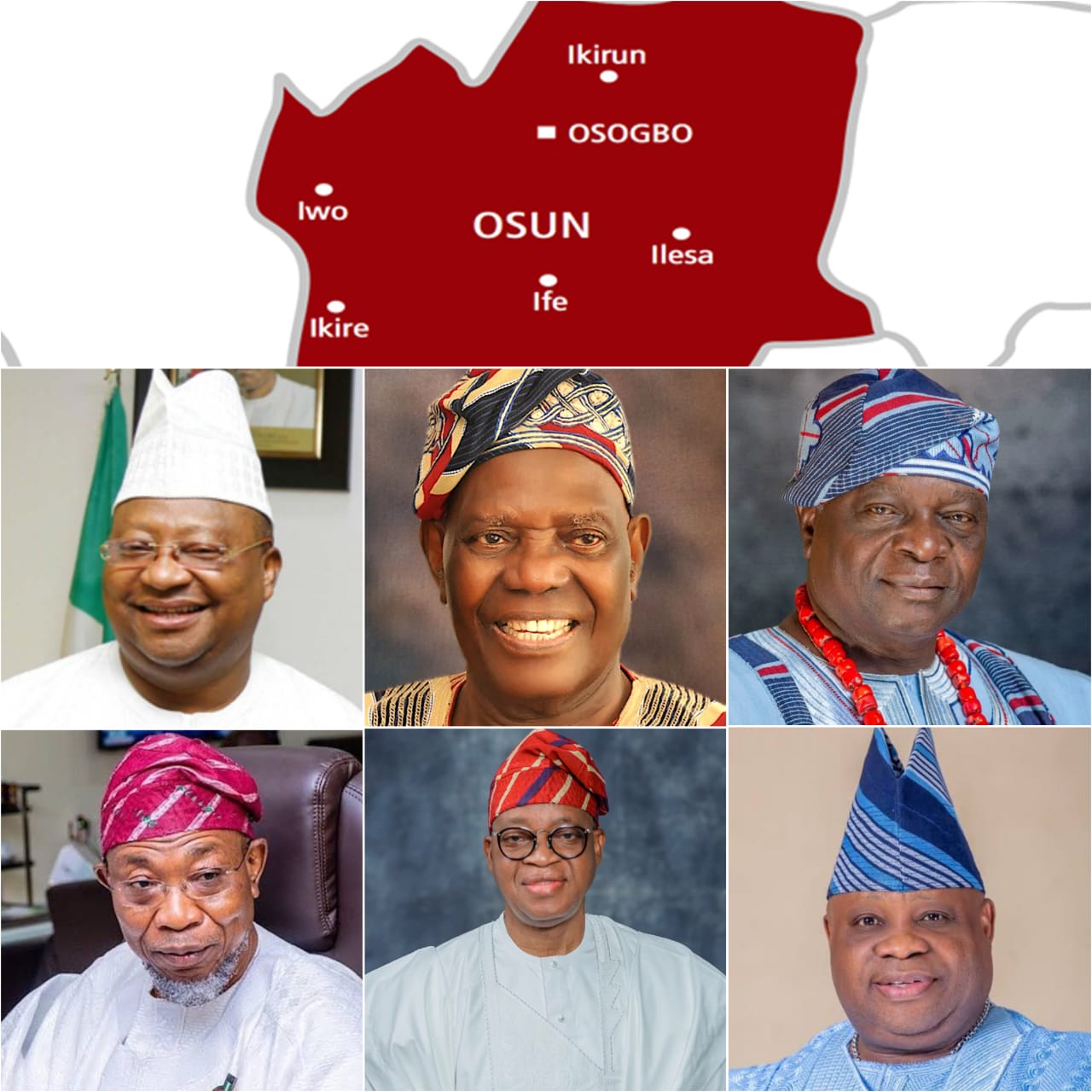
The record of civilian governors illustrates the point: Isiaka Adeleke and later Ademola Adeleke from Ede, Osun West; Bisi Akande, Olagunsoye Oyinlola, and Gboyega Oyetola, associated with Osun Central; and Rauf Aregbesola from Osun East, Ijesa. Despite its centrality and demographic weight, Osogbo has remained outside that circle.
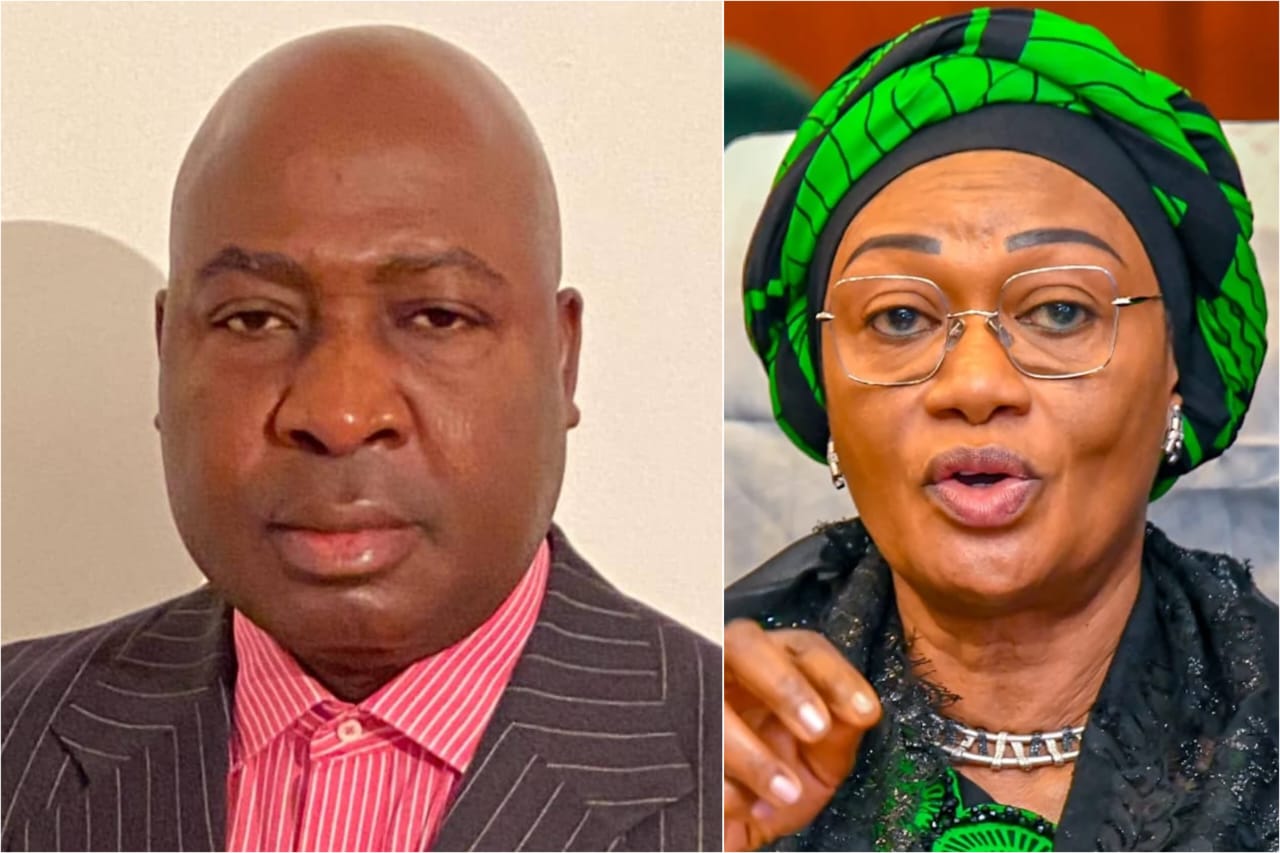
The Osogbo Elders Council, led by Prince Adeleke Oduola Ibiloye; the Council of Baales, chaired by High Chief Jimoh Ibrahim; and the League of Imams have repeatedly stated the obvious: the capital has backed others, and reciprocity is now due.
The Case: Equity, Votes, and Unity
According to advocates, the demand rests on three interlocking reasons.
First, historical equity. State capitals elsewhere in Nigeria have produced governors as a matter of course. Osogbo carries the dual burden and privilege of being both the seat of government and a major urban centre with large concentrations of civil servants, traders, and voters. “We have stood firmly behind others in the past,” leaders noted, describing a pattern of political solidarity that has not been reciprocated at the highest level. Zoning or the deliberate inclusion of an Osogbo indigene is therefore a corrective, not a favour.
Second, voting power and legitimacy. Osogbo and Olorunda together form one of the largest concentrations of registered voters in the state. Elections are frequently decided by margins in the capital territory. A governor who emerges from that territory carries an inherent claim to legitimacy that transcends senatorial-district arithmetic. Sustained exclusion also breeds quiet alienation, even as the capital continues to function as the administrative headquarters.
Third, unity without rancour. The strongest argument for an Osogbo claim is that it must be advanced through unity rather than factional conflict. Past internal divisions among Osogbo elites have, at times, prevented the town from converting its demographic weight into the governorship.
The Ataoja’s institutions are now working to forge a common front among Baales and elders: to present competent sons and daughters across parties, to insist on fairness in party primaries and zoning discussions, and to reject the “pull-him-down” syndrome.
“A rancour-free process does not mean abandoning competition or merit,” the statement said. “It means refusing to weaponise identity against competence, and refusing to let internal rivalries become an excuse for continued exclusion.”
The Call Ahead of 2026
Political parties that practise equity elsewhere in Nigeria, the statement argued, should apply the same standard in Osun. They should acknowledge the capital’s contributions and create space for credible Osogbo aspirants, rather than treating the town solely as a vote bank.
“Osogbo has given the state its administrative centre, its most famous cultural festival, and consistent electoral weight. The reciprocal gesture is not complicated: open the door, choose on merit within a framework of fairness, and do so without bitterness,” it added.
Whether in the immediate post-2026 cycle or the one that follows, Osun’s political class has an opportunity to demonstrate maturity by treating Osogbo’s claim as a question of justice rather than a threat. Doing so would strengthen the social contract, deepen legitimacy, and affirm that no major community should be permanently locked out of the highest office.
Signed:
Osogbo Accord Media Force (OAMF)