…From ₦65 to ₦1,400: Where Is Nigeria Really Heading?
There was a time in Nigeria when petrol sold for about ₦65 per litre. Nigerians complained then. We said things were hard. We protested against every increase and demanded a better life. Today, Nigerians are paying around ₦1,400 for a litre of petrol, and one cannot help but ask: where exactly are we heading as a country? How did we move from a nation where ₦65 per litre was considered painful to one where four figures for a litre has become normal?
This is not an argument about whether one tribe is better than another. It is about governance and the quality of life of ordinary Nigerians. Yes, President Bola Ahmed Tinubu is a Yoruba man, but being Yoruba should not automatically mean that every Yoruba person must defend every decision of his administration. If we criticised previous governments when they introduced policies that hurt Nigerians, we should have the courage to do the same now, even when someone from our own ethnic group is in power. Otherwise, what are we really defending — Nigeria or ethnicity?
For the ordinary Nigerian, petrol is not merely fuel; it affects virtually everything. When petrol prices rise, transport fares rise. When transportation becomes expensive, food becomes more expensive. Businesses spend more on generators and logistics, workers spend more getting to work, and families have less money left after paying for basic necessities. While government officials move around in official vehicles, the ordinary Nigerian is left to calculate whether he can afford to go to work, send his children to school, or transport goods to the market.
This is where the conversation about the Tinubu administration must go beyond political slogans. The removal of fuel subsidy was presented as a difficult but necessary reform, and the government has repeatedly argued that the policy would free resources for development and put Nigeria on a more sustainable economic path. But Nigerians are entitled to ask a simple question: when will the ordinary citizen begin to feel the benefits? Because reform should not only be measured by government revenue or economic statistics; it should be measured by whether the average Nigerian can afford food, transportation, electricity, housing, and basic healthcare.
As 2027 approaches, Nigerians must look beyond tribal sentiments. The emergence of Atiku Abubakar gives Nigerians another opportunity to examine competing ideas about the country’s future, and Atiku’s economic proposals, the record of the current administration, and the programmes of other candidates should all be subjected to serious public scrutiny. This should not be about simply replacing one politician with another; it should be about asking every candidate difficult questions: What is your plan for petrol prices? How will you reduce the cost of living? How will you create jobs? How will you make businesses survive without depending heavily on generators and expensive fuel? How will you ensure that economic reforms do not push millions deeper into poverty? These are the questions that should define the 2027 conversation.
For those who believe Atiku offers a different economic direction, the 2027 election provides an opportunity to present that argument to Nigerians. But ultimately, citizens must judge every candidate based on their record, policies, credibility, and proposed solutions — not simply on tribe. Because the truth is uncomfortable: a Yoruba President does not automatically mean Yoruba people are doing well, just as a President from another ethnic group would not automatically mean Nigerians are suffering.
Leadership is bigger than tribe. Nigeria is bigger than political parties. And the suffering of the Nigerian people should never become something we justify simply because the person occupying Aso Rock is “our own.” If ₦65 petrol was painful, Nigerians have every right to ask why ₦1,000-plus petrol should be something we are expected to accept without question.
We deserve answers. We deserve accountability. And in 2027, Nigerians deserve an election in which performance, policies, and the future of the country — not ethnic loyalty — take centre stage. The question is no longer simply, “Who is in power?” The question is: what kind of Nigeria are we building, and when will ordinary Nigerians finally begin to breathe?
Signed:
Comrade James Onifade
Media Executive
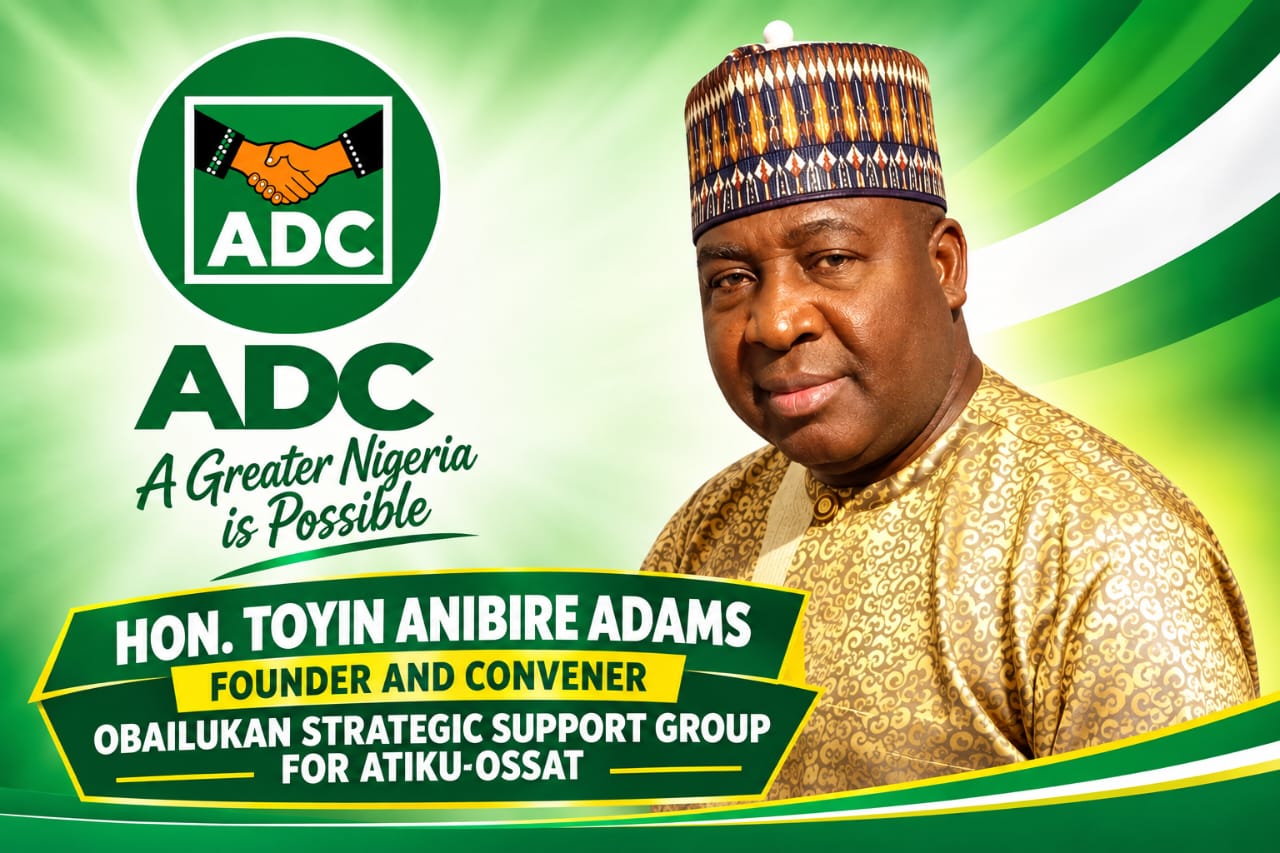
Office of the Obailukan Strategic Support Group for Atiku — OSSAT