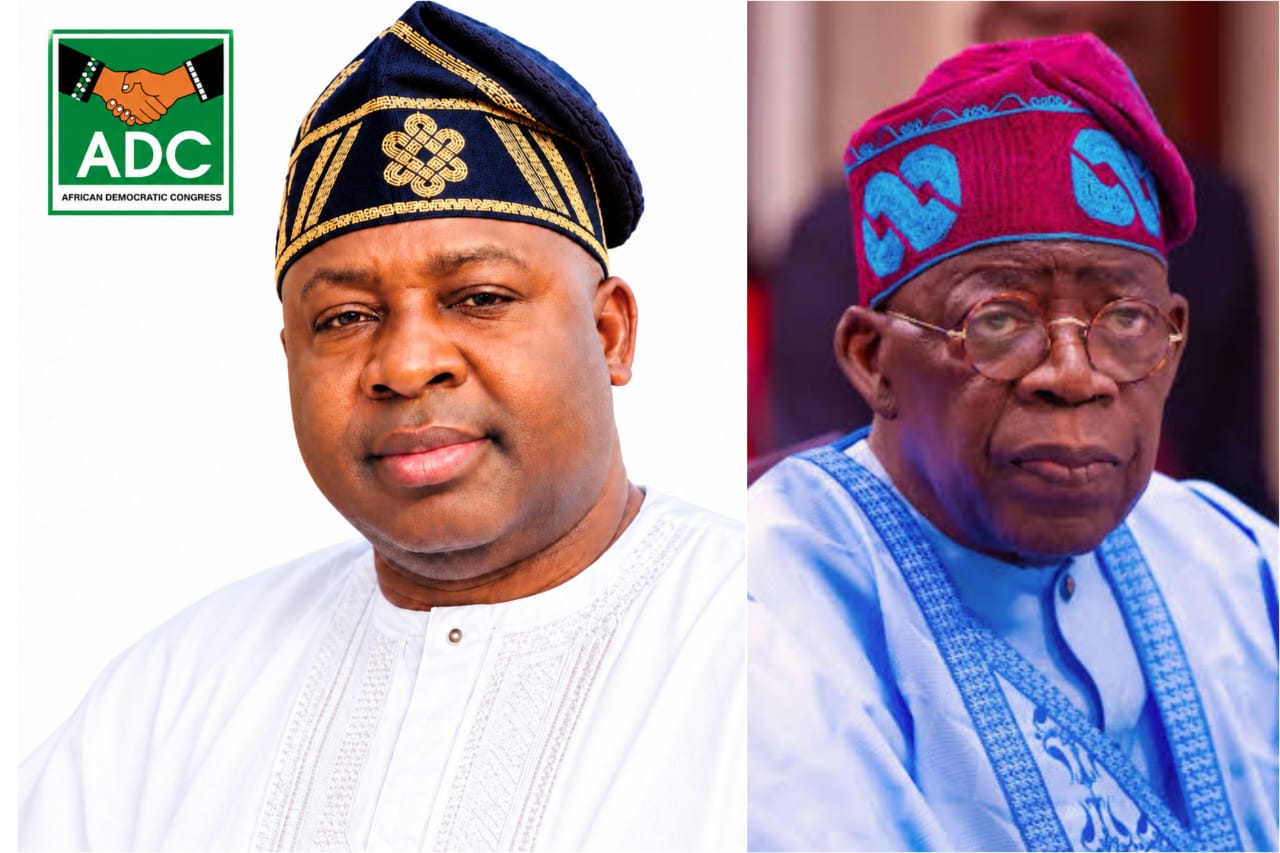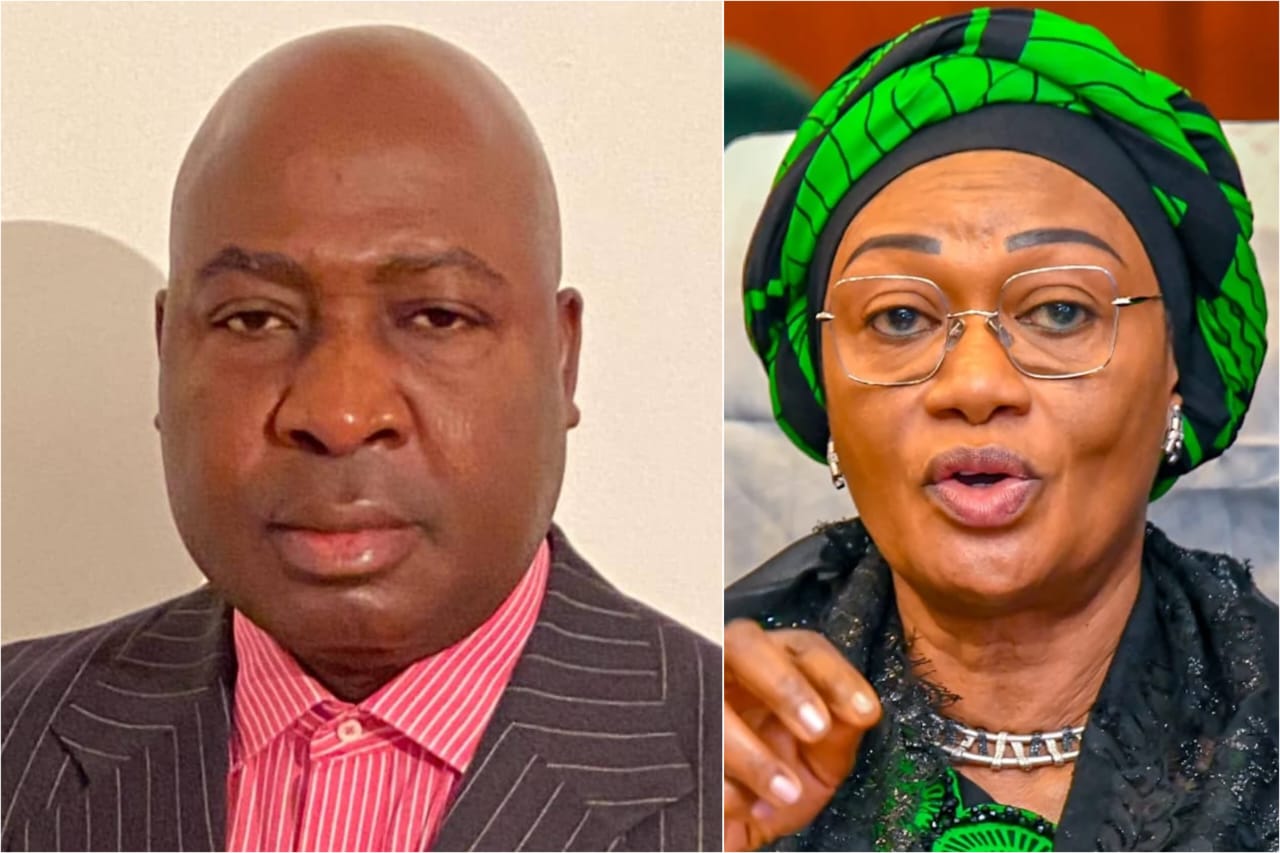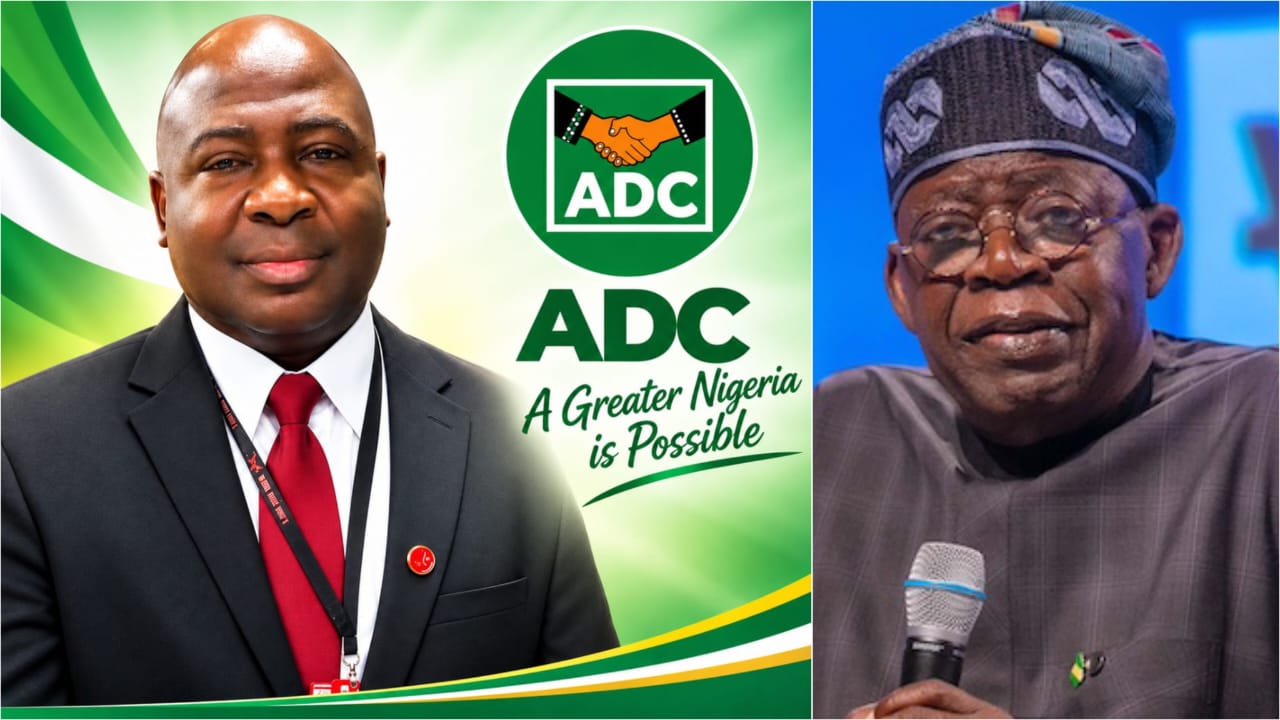
…Obailukan questions the timing of 2027 petrol and naira promises, saying Nigerians deserve policy details, not campaign slogans
If the report making the rounds is anything to go by, President Bola Ahmed Tinubu is now promising Nigerians that petrol will sell for ₦200 per litre after the 2027 election, while also promising to make the naira exchange at ₦1 to $1 before March 2027.
Really? After everything Nigerians have endured since May 29, 2023, this sounds less like a policy announcement and more like another political sales pitch ahead of an election.
Let us not forget how this administration began. On his inauguration day in 2023, President Tinubu announced that “fuel subsidy is gone.” That single declaration immediately changed the economic reality of millions of Nigerians. Petrol prices jumped, transportation costs rose, food prices followed, businesses struggled, and the cost of living became unbearable for ordinary citizens. Nigerians were told to endure the pain because the subsidy removal was supposedly necessary to rebuild the economy, and that the sacrifice would eventually produce prosperity.
Yet, three years later, Nigerians are still asking: where is the prosperity? So now, after enduring skyrocketing living costs, a weakened naira, and expensive petrol, we are being told that petrol will suddenly return to ₦200 after the 2027 election? That is a promise Nigerians must interrogate, not applaud.
If petrol can be ₦200 after the election, why can’t Nigerians see a clear roadmap to ₦200 now? What economic calculations will make it possible after 2027 that are impossible today? What will happen to crude oil prices, exchange rates, refining capacity, and government revenue? And perhaps the biggest question: why should Nigerians believe another promise when previous promises have left many struggling to survive?
This is where Nigerians must become wiser. Politics is not a church altar where we simply shout “Amen” to every promise made from the podium. Politicians must be held accountable for their records, not rewarded for promises they make when elections are approaching.
The timing matters. After imposing painful economic reforms, after Nigerians have been repeatedly asked to sacrifice, and with another presidential election approaching, suddenly the message is about cheaper petrol, a stronger naira, and a better future. Nigerians should ask themselves: why now? We have heard beautiful promises before. We have been told that things would get better. We have been told to endure. We have endured.
But endurance without measurable improvement eventually becomes exploitation. If the President genuinely has a plan to reduce petrol prices to ₦200, Nigerians deserve to see the policy, figures, timelines, and mechanisms behind that promise. They deserve more than campaign-season declarations.
And let us be clear: Nigerians are not against cheaper petrol. Nigerians desperately want affordable fuel, food, electricity, transportation, and a decent standard of living. But ₦200 petrol cannot become another election slogan designed to make Nigerians forget what they experienced between 2023 and 2027. The same government that removed subsidy with immediate effect cannot now expect citizens to forget the consequences of that decision simply because another promise has been placed before them.
Nigerians must therefore look beyond the microphone, the campaign podium, and the sweet promises. Look at the record, the economy, the purchasing power of the average Nigerian, the cost of food, the value of the naira, the price of petrol.
Then ask the most important question: Has this government earned our trust, or is it asking for another four years with another set of promises? The lesson from 2023 should be enough: never judge Tinubu by what he promises to do tomorrow; judge him by what he has done with the opportunity he already received in 2023.
Nigerians must be wiser this time. No more political amnesia. No more accepting promises without demanding evidence. No more allowing election-season rhetoric to erase years of lived experience.
Former Vice President Atiku Abubakar has previously argued for a review or restoration of fuel subsidy mechanisms, particularly where necessary to cushion the impact of rising energy costs on Nigerians in 2027. That position deserves to be examined alongside Tinubu’s approach. The central question should not simply be who makes the sweetest promise, but which economic policy can actually make life more affordable while remaining transparent and sustainable.
Nigerians should therefore scrutinise every promise ahead of 2027, including promises from both the ruling party and the opposition, and go for the best. If ₦200 petrol is genuinely achievable, Nigerians should see the plan. Because Nigerians have suffered enough to know that a promise is not the same thing as performance.
Signed: Comrade James Onifade
Media Executive, Office of the Obailukan Strategic Support Group for Atiku (OSSAT)