By Comrade James Onifade
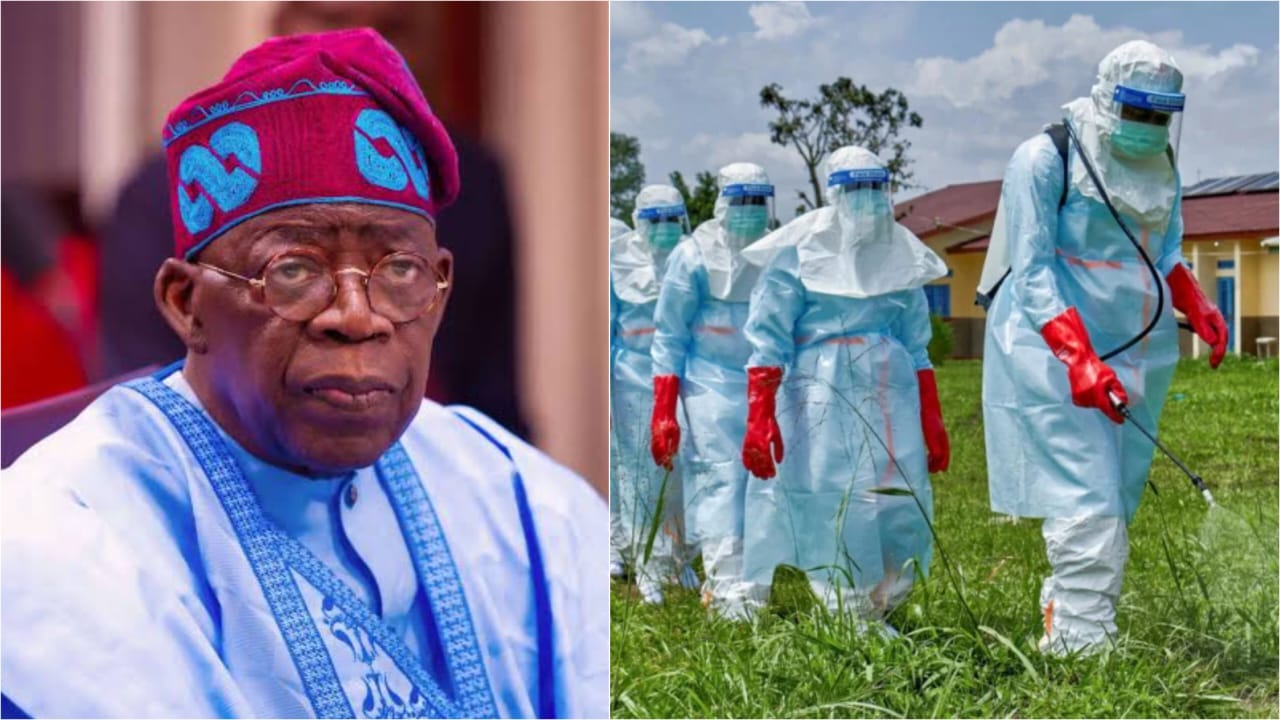
The Federal Government has confirmed a case of Ebola disease in the Federal Capital Territory, Abuja, and commenced contact tracing, with 44 close contacts identified to prevent further transmission. This development makes the need for urgent and decisive action even more pressing. The renewed threat of Ebola in parts of Africa should serve as a serious wake-up call to the Federal Government of Nigeria.
At a time when countries are strengthening their public health surveillance systems to guard against cross-border transmission, Nigeria cannot afford to be complacent or wait until the virus spreads further before taking decisive action.
The painful experience of the COVID-19 pandemic in 2020 remains fresh in the minds of Nigerians. The pandemic disrupted businesses, crippled economic activities, strained the healthcare system, and left many households struggling to survive. Thousands of businesses experienced severe setbacks, workers lost their livelihoods, and the government was forced to redirect resources towards an emergency that affected virtually every sector of the economy. Nigeria cannot afford to repeat the mistakes of the past.
Reports of Ebola-related concerns in parts of Africa demand vigilance, accurate information, and coordinated public health action. The Federal Ministry of Health and Social Welfare, the Nigeria Centre for Disease Control and Prevention (NCDC), the Port Health Services and other relevant agencies must work together to assess the current threat and strengthen preventive measures at the nation’s international airports and other points of entry.
Prevention must come before emergency response. The government should ensure that appropriate health screening and risk assessment procedures are in place for travellers arriving from areas experiencing confirmed outbreaks. Airport health personnel must be adequately trained, equipped, and supported to identify suspected cases, follow established protocols, and promptly refer individuals for further assessment when necessary.
However, prevention must go beyond temperature checks and routine airport inspections. Ebola surveillance requires evidence-based protocols, effective communication, rapid laboratory testing, contact tracing where indicated, and well-equipped isolation and treatment facilities. Any travel-related restrictions must be guided by current epidemiological evidence and public health advice rather than panic or speculation.
The government must also provide clear and timely information to Nigerians. Citizens deserve to know what the current situation is, what precautions are necessary, and what steps the authorities are taking to prevent the disease from spreading. Silence and poor communication can create unnecessary fear, encourage misinformation, and undermine public confidence.
Another critical concern is accountability in the management of public health funds. Resources allocated to disease surveillance, emergency preparedness, and outbreak response must be transparently managed and directed towards their intended purposes. Where allegations of financial misconduct arise, they should be investigated through established legal and accountability mechanisms. Public health emergencies must never become opportunities for the diversion of resources meant to protect human lives.
Nigeria must equally strengthen preparedness beyond the airports. State ministries of health, public and private hospitals, primary healthcare centres, and community health workers should receive appropriate guidance on identifying and reporting suspected cases. Public awareness campaigns should explain how Ebola spreads, the symptoms that warrant medical assessment, and the importance of seeking care promptly.
This is not a call for unnecessary panic or the stigmatization of travellers from affected countries. It is a call for preparedness, responsible leadership, and the protection of public health. The lesson from COVID-19 is clear: when governments delay action, the human and economic costs can become enormous. Nigeria should act early, coordinate its institutions, and make evidence-based decisions to reduce the risk of an outbreak disrupting the lives and livelihoods of its citizens.
The Federal Government must, therefore, treat the Ebola threat with the seriousness it deserves. Protecting Nigerians requires more than statements of concern; it requires functioning surveillance systems, accountable funding, prepared health facilities, and transparent communication. Nigeria must not wait for Ebola to become a national emergency before taking preventive action. The time to prepare is now.
Signed: Comrade James Onifade
Advocate for Good Governance and Judicial Reform